Preparing your body and your mind for ‘adventure travel’
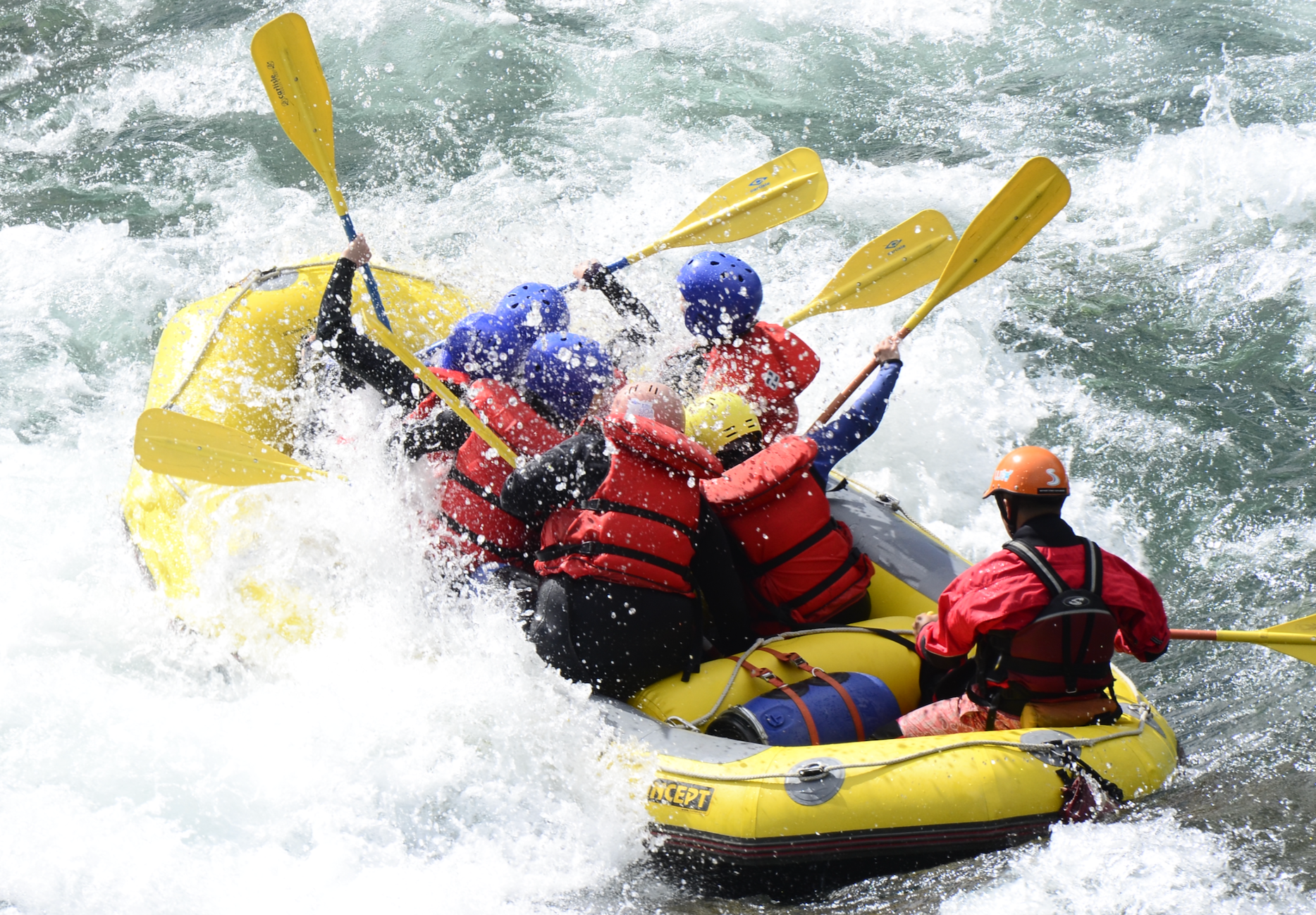
A whitewater rafting group hits rapids along Sjoa, in the Jotunheimen region of Norway. Adventuresome Co. photo.
Traveling has led to some of the most rewarding parts of peoples’ lives – and adventure traveling, which typically includes more extreme types of activities, is no exception. But how can you really prepare for such trips? We’ve put together some general guidelines for your next EXTREME endeavor!
Adventure travel can include many moving parts, depending on what you’re doing, when, and where. On top of often featuring more physiologically- and psychologically-intensified experiences, keep in mind that adventure travel often also brings people to remote locations, meaning there are additional unknowns with weather conditions, communication abilities, access to medical care, and more. It’s important that you are ready on all levels for your upcoming journey!
Ahead of departure
We’ll start with preparing your body. Whether you’re walking a long distance, hiking a mountain, taking on a river rafting adventure, or something else, it is key to train and get into appropriate shape for your trip. Many long-form adventure tours, as well as shorter, individual activities, will take a toll on your body. Physically-demanding activities mean you need to be physically prepared – and know your limits.
Are you considering whitewater rafting down a raging river? Think about whether or not that’s a comfortable scenario for you; life jackets save lives, but so does learning to swim before you dip even a toe in the water. Are you planning on taking on an all-day walking tour? Make sure you have the right shoes and have prepared for that type of high-mileage day. Is a high-altitude hike in your future? Consider your experience to date, including the distances and intensity levels you’ve been able to handle well before.
This one may sound obvious, but… don’t leave packing to the last minute! This way, you can ensure you have the right supplies, proper clothing, and necessary safety gear, all of which will depend on your plans. Make a list, check it twice, and check it again.
You should also check in with your primary healthcare provider or a travel clinic (or both). This is to ensure that you’re fit to take the trip you’ve planned, as well as to make sure that you’re prepared to travel and allowed to do so! Many countries have specific vaccines and medicines that are required of arriving travelers. Asking a trusted professional about any concerns, sharing your itinerary, and discussing planned activities can be a literal lifesaver.
Additionally, consider whether or not you need travel insurance, and if so, what type. Most standard add-ons for plane tickets and other transportation will cover actual travel costs, as deemed qualified, and medical coverage to a certain amount; so too will an array of travel credit cards. However, if you need extras such as high-altitude coverage, or if you have special security concerns, you’ll need to do some extra research.
Last but not least, get your mind right for your trip. Are you in a good headspace to experience this adventure to the fullest, and to do so safely? You might face obstacles not encountered before; you are likely going to be in an environment that’s noticeably different from where you currently work, play, and live. Your mental state is just as important as your physical!
During your trip
As with any type of travel, unfamiliar locales create another set of variables; on top of that, conditions can be unpredictable, meaning there are lots of unknowns you could encounter on your trip. This is especially true with adventure travel, even if you’re set up with a tried-and-true tour service! You should expect the unexpected and be prepared to pivot if necessary.
Wherever you’re going, and whatever you’re doing, it’s a good idea to have some snacks and purified water on hand at all times. These can come in handy in a pinch, whether a hike drains you a little more than planned, a schedule keeps you from dinner a little longer than anticipated, or you need to take a med that requires food.
Do you have a guide? Presuming you trust them as a leader on your trip, you should follow any safety instructions given to you during your activities. Whether on a guided tour or not, you should always wear appropriate protective gear for any activities in which you’re participating. That includes everything from the simple sunscreen applications for when you’re out and about, to the helmets provided for biking along city streets, to the life jackets for any water activities. Remember that not every country has the same safety standards, and you are responsible for sticking to your own safety standards.
Any emergencies or lingering health concerns should be addressed as soon as possible. Sometimes, though, you might end up weighing your options and deciding that a certain type of service needs to wait until you got home. If this is the case, be sure to follow up as soon as you’re back, if not sooner! You can always proactively call healthcare providers to set up appointments for when you’ve returned to your homeland.
After your adventure
In the days following your return back to your home city post-travel, pay attention to how you’re feeling, on all levels. If you traveled and feel sick when you get home – especially if that involves a fever – you should contact your health care provider immediately.
Whether you had the time of your life, had to learn a lesson abroad, or a combination of the two, there’s most likely a shift in store once you return home. You may experience a form of reverse culture shock, especially if you’re coming back from a place that’s quite different from where you live. Give yourself a chance to register where you’ve been and what you’ve just done!
Journaling and talking about your experiences with friends and family are just a couple of ways to share stories from your adventures, and to help you decompress after time away. Remember, too, that falling out of routine is a normal thing when on vacation. Give yourself some grace to get back into the swing of things.
That said, for some, allowing time for decompressing after travel makes a marked difference in returning to typical day-to-day routines. For others, the best thing is to keep it moving! The choice is yours!
- AC