National Park Service announces new free entrance dates, other changes for 2026
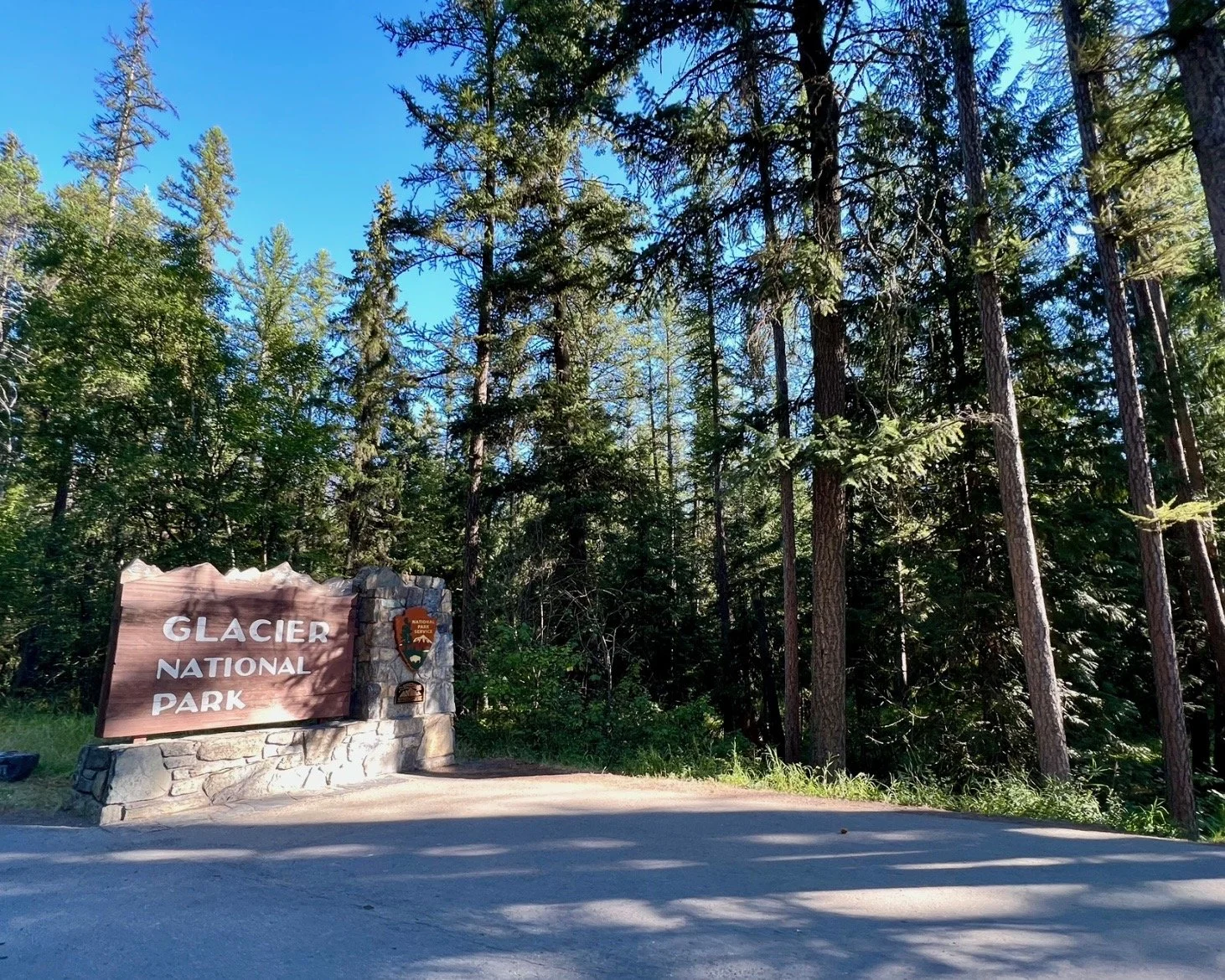
An official National Park Service sign welcomes visitors to Glacier National Park. Adventuresome Co. photo.
The National Park Service is changing some of its entrance fees and policies, including its free days schedule and non-resident access fees. According to a release from the park service, the changes will take effect starting on January 1, 2026.
Free entrance day dates
Among the alterations is the removal of Martin Luther King Jr. Day as a free entrance day to NPS sites. The federal holiday honoring the civil rights leader and his legacy, and encouraging Americans to engage in public service, is typically observed on the third Monday of January each year. Juneteenth, the federal holiday that commemorates the end of slavery in the United States, was also removed from the list of free entrance day dates, as were the first day of National Park Week, National Public Lands Day and several others.
Per the National Park Service, free entrance days will take place on the following dates in 2026:
February 16 - President’s Day (Fmr. Pres. George Washington’s birthday)
May 25 - Memorial Day
June 14 - Flag Day, Pres. Donald Trump’s birthday
July 3, July 4, July 5 - Independence Day weekend
August 25 - 110th birthday of the National Park Service
September 17 - Constitution Day
October 27 - Fmr. Pres. Theodore Roosevelt’s birthday
November 11 - Veterans Day
Free entrance days will only extend to U.S. citizens and residents as of 2026. Additionally, non-residents aged 16 and older will have to pay a $100 entrance fee in addition to the standard entrance fee at a number of national parks, unless they have a non-resident ‘America the Beautiful’ pass. Those parks requiring the additional fees include but are not limited to Acadia National Park, Everglades National Park, Glacier National Park, Grand Canyon National Park, Rocky Mountain National Park, Yellowstone National Park, Yosemite National Park and Zion National Park.
You can see the full list of current entrance fees by clicking here.
The ‘America the Beautiful’ pass
If you are U.S. citizen or permanent resident and a frequent visitor to NPS sites, you may want to consider an annual pass, or an ‘America the Beautiful Pass.’ Standard annual passes are good for a single national park or park group, are valid for one year and directly fund park operations (see below for more on this). The ‘America the Beautiful Pass’ – of which there are multiple types, including an annual pass – covers entrance fees, as well as standard day-use fees, at national parks and other federal recreational sites, such as U.S. Fish & Wildlife Service, U.S. Forest Service and Bureau of Land Management areas.
There are also different tiers for the ‘America the Beautiful’ pass. For example, anyone over the age of 16 can purchase the annual ‘America the Beautiful’ pass, which is good for a year, while seniors who are 62 years of age or older can access an $80 lifetime pass. See below for type, availability and price, as of publishing time:
Annual ‘America the Beautiful’ pass: $80, available to all U.S. citizens and permanent residents
Senior annual ‘America the Beautiful’ pass: $20, available to U.S. citizens and permanent residents 62 years and older
Senior lifetime ‘America the Beautiful’ pass: $80, available to U.S. citizens and permanent residents 62 years and older
Military annual ‘America the Beautiful’ pass: free, for current U.S. military members and dependents
Military lifetime ‘America the Beautiful’ pass: free, for veterans and all Gold Star Families
‘America the Beautiful’ access pass: free, for U.S. citizens and permanent residents with permanent disabilities
4th grade ‘America the Beautiful’ pass: free, for all U.S. fourth-graders
Volunteer ‘America the Beautiful’ pass: free, available to federal recreation site volunteers with 250+ recorded service hours
‘America the Beautiful’ non-resident annual pass: $250, serving as the only ‘America the Beautiful’ pass for non-residents; all others are for U.S. citizens and residents only
The ‘America the Beautiful’ pass also now covers entrance fees for up to two motorcycles.
You can purchase the physical ‘America the Beautiful’ pass cards in person at more than 2,000 federal recreation sites, according to the U.S. Geological Survey, or you can order them online. The USGS website shop allows you to choose to receive a physical pass by mail, or you can go to recreation.gov to get a digital version of your pass upon purchase.
The NPS notes that its ‘America the Beautiful’ passes are non-refundable, non-transferable, and not replaceable if lost.
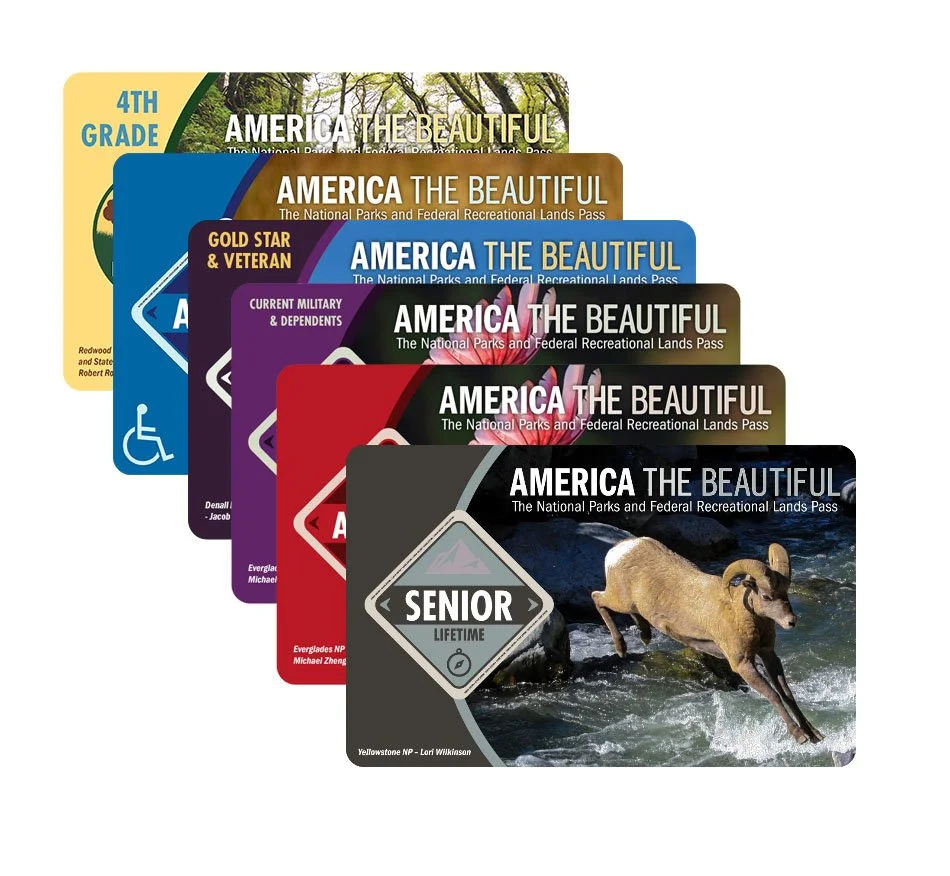
National Park Service ‘America the Beautiful’ passes of varying kinds are displayed. Undated NPS image.
Annual passes for park groups
A small group of parks allow for a separate annual pass that allows access to each group. There are more than a dozen options for annual passes of this kind, each of which includes its own perks. For example, the Hawai’i Tri-Park Pass grants admission to Haleakalā National Park, Hawaiʻi Volcanoes National Park and Puʻuhonua ʻO Hōnaunau National Historical Park; the Oregon Coast Passport covers entry, parking and day-use fees at all state and federal fee sites along the Oregon Coast; and the Sequoia & Kings Canyon National Parks Annual Pass allows entry for one year from the month of purchase to Sequoia & Kings Canyon National Parks and Hume Lake Ranger District of Sequoia National Forest/Giant Sequoia National Monument.
See the full list on the main NPS entrance passes webpage.
Last notes
Some national parks require reservations for entry – not only special experiences specific to the site. For example, some parks use a timed entry system for which you need a special pass in order to join the car queue at all, while others may have a tour reservation system in place for accessing certain monuments or features. Be sure to check with your destination park well in advance, and make reservations as soon as possible, if they are needed. See the parks with timed entry systems by using this link.
Similarly, if you’re heading out to a national park or similar federal site with intentions of using a pass, you should contact sites directly if you have questions about pass acceptance, admittance and other fees. The NPS maintains that all money from entrance fees remains within the NPS system, with at least 80 percent of that money staying at the park where the fees were collected.
For more information about entrance fees, passes and policies, head over to the National Park Service’s Entrance Passes website.